

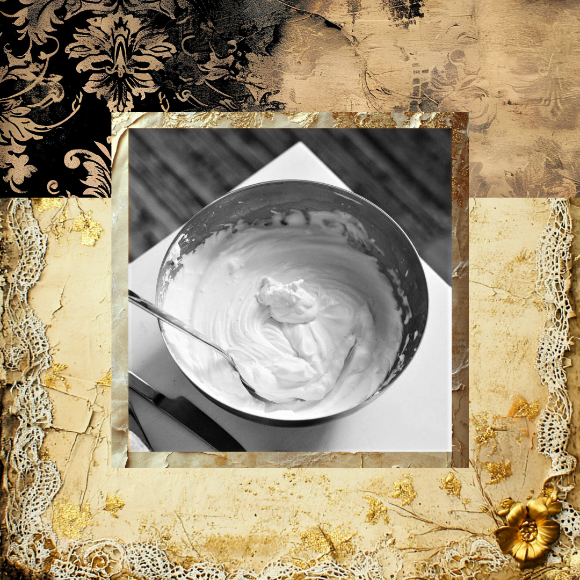
Zinc Ointment
The zinc oxide ointment recipe is made in much the same way as the lysine ointment recipe. It's suitable for rashes (including diaper rash), blisters (including herpes lesions), scrapes, cuts, mild burns, and bruises.
Zinc folate is absorbed into your skin and increases the chance of zinc toxicity. However, ointment made from non-nano zinc oxide is safe to use as often as needed. It rests on the skin and helps heal without risking excessive zinc absorption. A little goes a long way to protecting and healing the skin, so only dab it on and gently smooth it around where it hurts to feel better quickly.
This recipe makes approximately 3 cups (24 ounces). You can always cut the recipe to make less. You'll need the following ingredients.
- Zinc oxide powder
- Virgin coconut oil (solid, not liquid)
- Beeswax (pellets are much more manageable than bars)
What You'll Need
You'll need a double boiler. If you don't have one, that's okay. You can use a medium-sized cooking pot filled with 1-2 inches of water and a large, dry glass measuring cup. Place the measuring cup in the water inside the pot. No measuring cup? Just use the pot, but make sure it's dry. You don't want water getting into your recipe. You'll also need a mixer. No mixer? Use a fork. Using a fork might make your ointment slightly gritty, but that's okay. It still glides on smoothly.
Melt 1/4 cup of beeswax and 1-1/3 cups of virgin coconut oil over medium heat until thoroughly melted. Don't walk away from the stove. You want to ensure that water doesn't splash into it or that it doesn't get too hot. You also want to take it off the heat as soon as the ingredients melt. It can help to gently stir the beeswax every so often to melt it faster. Once it's melted, please remove it from the heat right away.
Put on a face mask (a scarf will do) before adding the zinc oxide powder to the melted mixture. Inhaling any kind of powder can be harmful. Add 1-1/2 cups of zinc oxide powder to the melted oil and wax. Stir gently and fold it all until it is thoroughly moistened. You can add a few drops of vitamin E oil for extra healing power and preservation (optional). Then whip your mixture with a fork until creamy.
Your Next Step
Immediately scrape out the ointment into a lidded glass or ceramic jar. Again, a Mason jar will do. Label your jars with the product's name, ingredients, and date.
A Clean-Up Tip
Beeswax is a pain to clean up. Use a napkin or paper towel to wipe out your equipment before washing.
The Herpes Witch Lemon Balm Zinc Oxide Ointment
Lemon balm specifically targets the herpes virus. You can add lemon balm essential oil to the zinc oxide ointment recipe to create The Herpes Witch Lemon Balm Zinc Oxide Ointment.
Add 18 drops of lemon balm essential oil to every ounce (2 tablespoons) of ointment to create a 3% solution. The recipe above yields approximately 24 ounces, so you can add 482 drops (18 drops x 24 ounces = 432) to the entire batch for a 3% dilution.
Four hundred eighty-two drops may seem like a lot, but 100 drops are roughly one teaspoon. If you don't have that quantity of essential oil on hand, you can make a smaller batch of ointment (divide the recipe in half) or separate an ounce or two of ointment and add essential oils only to that jar. You can also reduce the percentage of essential oils used. See how to measure essential oils further in this guide.
Lemon balm essential oil is expensive. You can also use lemon or ravensara (not ravintsara) essential oils to target the virus and save money. Remember, the ointment will work on its own to help heal lesions. You don't have to add essential oils to it unless you want to.
Clove and lavender essential oils work well for pain relief, while tea tree and oregano essential oils work to relieve fungal infections.
Once you've added the essential oils, whip the ointment again to ensure everything is blended well. I suggest using a chopstick or spoon handle for mixing in small jars.
Note: For a baby's diaper rash ointment, omit essential oils to reduce the risk of an allergic reaction or sensitivity.
Directions for Use
When using zinc oxide ointment (with no essential oils added), you can use the ointment as often as necessary to soothe and heal skin problems, such as rashes and herpes lesions. If you use zinc folate powder instead of zinc oxide powder, you'll be limited to only 6-10 applications in 24 hours, even with minimal ointment.
If you add essential oils, limit use to 3-4 times daily to avoid becoming sensitive to the oils in the zinc oxide ointment.
People rarely, if ever, have any adverse reaction to the topical use of a zinc ointment made with zinc oxide powder, with no added essential oils. However, you might want to perform a patch test to check for sensitivity.
Storing: Storing ointments away from heat and light will help them last longer.
Also see Lsine Ointment.

